
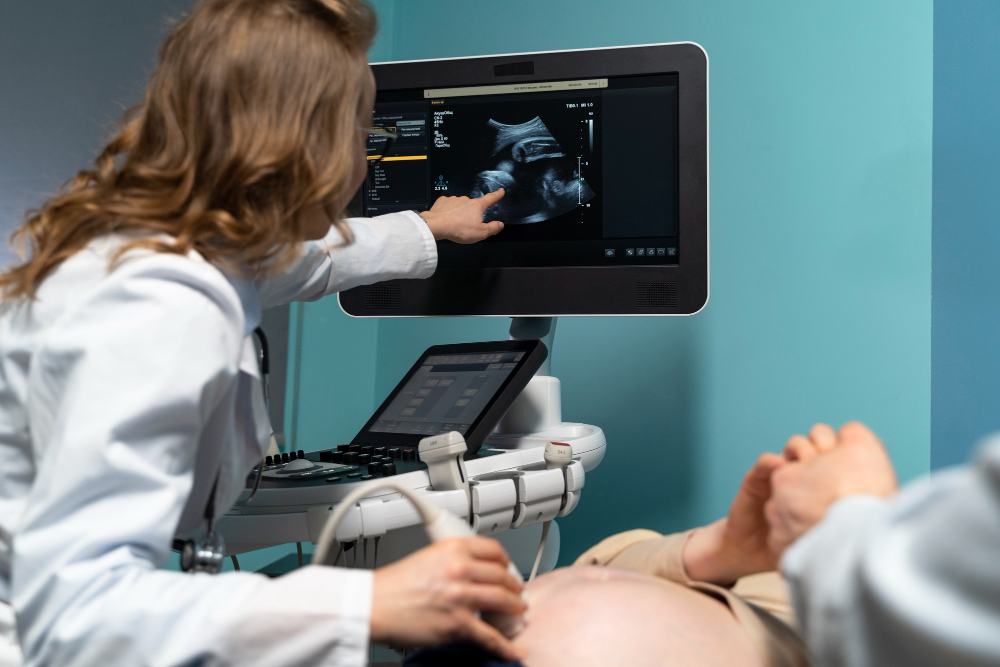
An anomaly scan is a detailed ultrasound test done during pregnancy. It helps doctors check the baby’s growth and spot any problems early. This scan is also called a detailed ultrasound in pregnancy or a second trimester scan. Because it plays a key role in fetal anomaly detection, many parents look forward to this important step. In this guide, you will learn what an anomaly scan is, how ultrasound diagnosis works, and why it matters for your baby’s health.
What is an Anomaly Scan?
First, an anomaly scan is a special ultrasound done between 18 and 22 weeks of pregnancy. During this time, the baby’s organs are big enough to be seen clearly. The main purpose is to check the baby’s body for any birth defects or problems. For example, doctors look at the baby’s heart, brain, spine, and other organs. This scan is also called a mid-pregnancy scan or second trimester scan. Usually, the test is safe and painless for both mother and baby.
How Ultrasound Diagnoses Fetal Anomalies
During the scan, a trained doctor or sonographer uses a small device called a probe. The probe sends sound waves into the mother’s belly. These waves bounce back and create images of the baby on a screen. Because the images are clear, doctors can see the baby’s organs and bones in detail.
Doctors look for:
Some common anomalies detected include:
However, not all problems can be seen on the scan. Still, it gives important clues about the baby’s health.
Preparation and What to Expect
Before the scan, you may be asked to drink water and not empty your bladder. This helps make the images clearer. Usually, you do not need to fast or take any special medicine. When you arrive, you will lie down on a bed. A gel is spread on your belly to help the probe move smoothly.
During the scan:
After the scan, you can return to your normal activities. The doctor will explain the results and answer your questions.
Benefits and Limitations of Anomaly Scans
Clearly, anomaly scans offer many benefits. They help spot birth defects early, which allows for better planning and care. Also, they give parents peace of mind by showing the baby’s growth. In some cases, doctors can treat or manage problems before birth.
However, there are some limits. For example, not all problems can be seen on ultrasound. Some issues may develop later in pregnancy or after birth. Rarely, the scan may miss small or hidden defects. Even so, the test is a key part of safe pregnancy care.
Frequently Asked Questions
When to Consult a Specialist
If the scan shows any concerns, your doctor may suggest more tests or a visit to a fetal medicine specialist. Early advice helps you understand your options and plan for your baby’s care. Sometimes, extra scans or expert opinions are needed for a clear diagnosis. Do not hesitate to ask questions or seek support during this time.
For the best care, consult Dr. Devashri for personalized advice on anomaly scans.