Introduction
Preeclampsia screening is a key part of prenatal care. Early detection of preeclampsia helps protect both mother and baby. Preeclampsia is a serious condition that can develop during pregnancy. Because it can be dangerous, screening is important for every expectant parent. In this blog, you will learn why preeclampsia screening matters, who should get screened, and what to expect during the process.
What is Preeclampsia?
Preeclampsia is a health problem that happens during pregnancy. It causes high blood pressure and can affect organs like the liver and kidneys. If left untreated, it may lead to serious problems for both mother and baby. For example, it can cause early birth or low birth weight. According to the CDC, preeclampsia affects about 1 in 25 pregnancies in the United States.
Why is Preeclampsia Screening Important?
Early detection of preeclampsia can save lives. When doctors find it early, they can watch the pregnancy more closely. This helps lower the risk of problems for both mother and baby. In addition, screening helps doctors plan the best care. Sometimes, early treatment can prevent the condition from getting worse. Therefore, preeclampsia screening during pregnancy is very important.
Who Should Get Screened?
All pregnant mother should have preeclampsia screening. However, some are at higher risk than others. You may need extra screening if you have:
- High blood pressure before pregnancy
- Diabetes or kidney disease
- A family history of preeclampsia
- First pregnancy
- Are over age 35
- Are carrying more than one baby
- Obesity
If you have any of these risk factors, talk to your doctor. They may suggest more frequent checks.
How is Preeclampsia Screening Done?
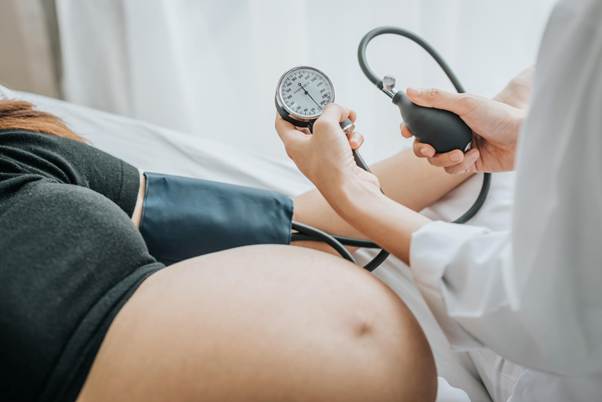
Preeclampsia screening is simple and safe. During each prenatal visit, your doctor will:
1 During NT scan (11-13 weeks) uterine artery PI is measured by fetal medicine experts which help us to determine blood flow to uterus and those cases having high PI are identified which can be benifited from use of prophylactic use of Aspirin.
2 other screening parameters include maternal factors, mean arterial blood pressureand certain blood test.
What Happens After Screening?
If your screening results are normal, you will continue with regular prenatal care. But if results show signs of preeclampsia, your doctor will watch you more closely. You may need extra visits to a fetal medicine expert to check for growth of the baby, fluid around the baby and blood supply to the baby (Doppler studies) to prevent intrauterine growth restriction (IUGR) .
In some cases, you may need medicine or to deliver your baby early. Your doctor will explain the best plan for you. Either way, early action can help keep you and your baby safe.
Prevention and Lifestyle Tips
While you cannot always prevent preeclampsia, some steps may lower your risk. For example:
- Attend all prenatal visits
- Eat a balanced diet with plenty of fruits and vegetables
- Stay active, as your doctor advises
- Manage health conditions like diabetes or high blood pressure
- Avoid smoking and limit salt intake
Always talk to your doctor before making changes to your routine.
Frequently Asked Questions
- Is preeclampsia common? Yes, it affects about 4% of pregnancies in the United States.
- Can preeclampsia be cured? The only cure is delivering the baby, but doctors can manage symptoms until it is safe.
- What are the warning signs? Watch for swelling, headaches, vision changes, or pain in the upper belly.
- Should I worry if I have risk factors? Not always, but regular screening helps catch problems early.
- Can I have a healthy pregnancy after preeclampsia? Yes, with good care, many people have healthy pregnancies later.
Conclusion and Call-to-Action
Preeclampsia screening is a vital part of prenatal care. Early detection and regular checkups help keep you and your baby safe. If you have questions or concerns, do not wait. Consult Dr. Devashri for personalized guidance on preeclampsia screening.