Introduction
A fetal cardiac scan is a special ultrasound test that checks a baby’s heart before birth. This scan, also called a fetal heart ultrasound or fetal echocardiography, helps doctors see if the baby’s heart is growing well. Early diagnosis is important because it can find heart problems before the baby is born. In recent years, advances in fetal medicine and radiology have made these scans even more helpful for families and doctors.
What Is a Fetal Cardiac Scan?
A fetal cardiac scan is a safe, painless test that uses sound waves to create pictures of a baby’s heart inside the womb. Doctors use this scan to look at the heart’s size, shape, and how it works. Unlike a regular ultrasound, this scan focuses only on the baby’s heart. Because of this, it can show details that help doctors spot any heart issues early.
Why Is It Performed?
Doctors may suggest a fetal cardiac scan for many reasons. Sometimes, a routine pregnancy scan shows something unusual. Other times, there may be a family history of heart problems. In addition, certain health conditions in the mother can increase the risk of heart issues in the baby. Here are some common reasons for this scan:
How Is the Scan Done?
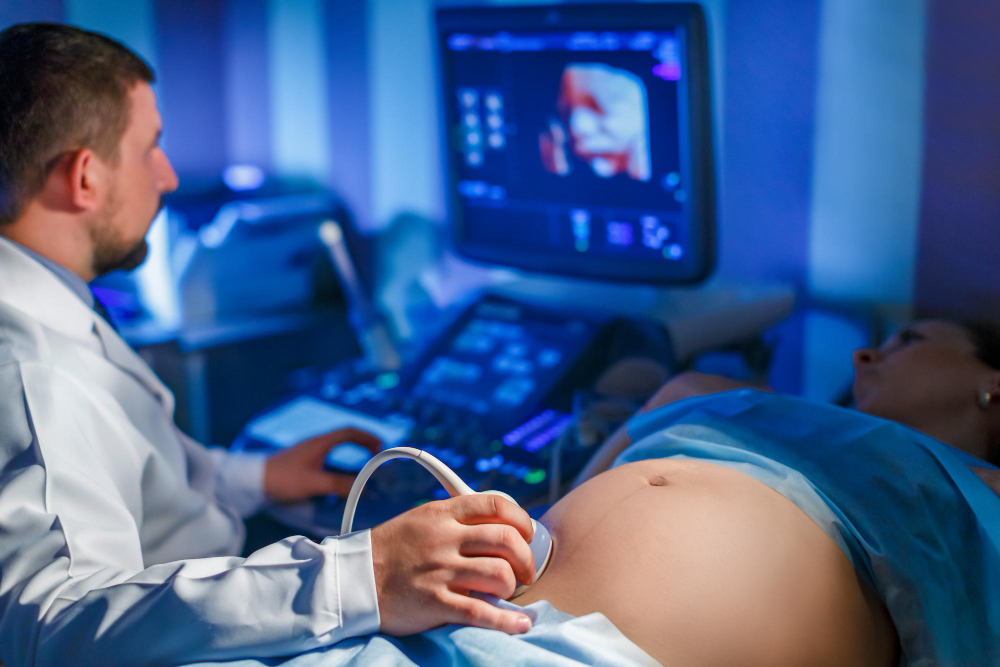
The fetal cardiac scan is simple and safe. First, you will lie down on an exam table. Next, a special gel is placed on your belly. Then, a small device called a probe moves over your skin. This probe sends sound waves into your body. The waves bounce back and create pictures of the baby’s heart on a screen. Usually, the scan takes about 30 to 60 minutes. You can see the images in real time, and the doctor may explain what they see.
Diagnosis: What Can a Fetal Cardiac Scan Detect?
Because the scan gives a clear view of the baby’s heart, it can detect many heart problems early. For example, it can find:
Early diagnosis helps doctors plan the best care for both mother and baby. Sometimes, treatment can even begin before birth.
Advances in Fetal Medicine and Radiology
In recent years, there have been many advances in fetal medicine and radiology. For instance, new ultrasound machines now give clearer and more detailed images. Three-dimensional (3D) and four-dimensional (4D) scans let doctors see the heart from different angles. In addition, advanced fetal imaging can spot tiny problems that older machines might miss. Because of these advances, doctors can diagnose and treat heart issues earlier than ever before.
Safety and Preparation Tips for Expectant Parents
Fetal cardiac scans are very safe for both mother and baby. The test does not use radiation. However, it is important to follow your doctor’s instructions. Here are some tips to help you prepare:
Most parents feel less worried after learning more about the scan and its safety.
Frequently Asked Questions
Conclusion
Fetal cardiac scans are a key part of prenatal care. They help doctors find and treat heart problems early. Because of new advances in fetal medicine and radiology, these scans are now more accurate than ever. If you have questions or concerns, consult Dr. Devashri, a fetal medicine specialist, for personalized advice and care.